


Understanding Reduced Mobility in Seniors | Gentle Hill Elder Care
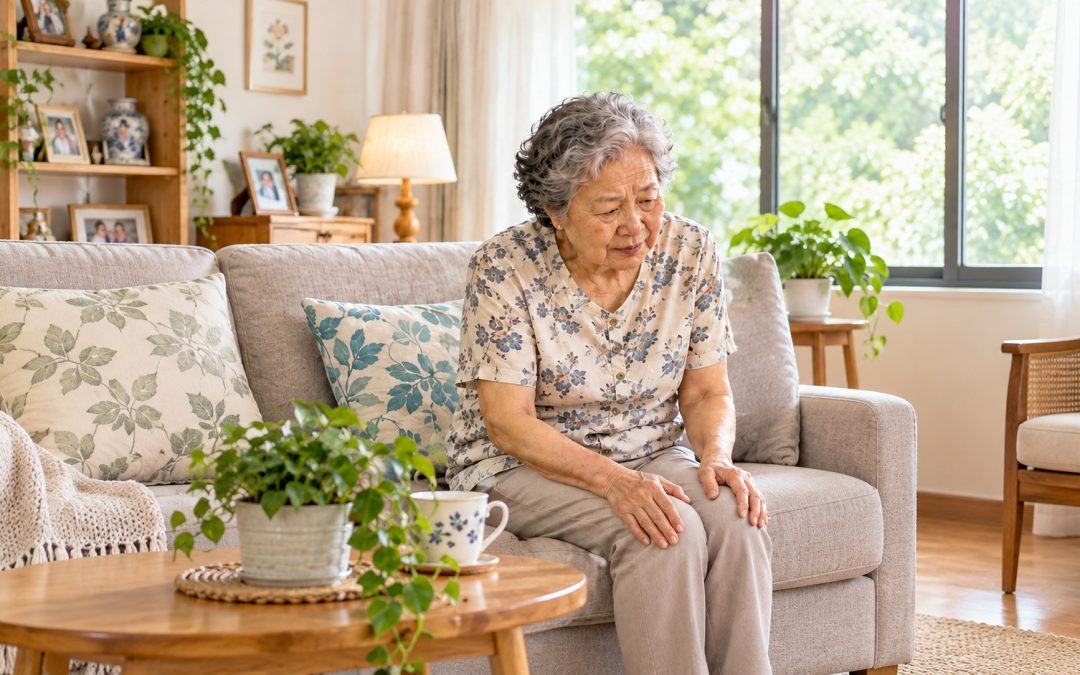
Many families notice it slowly. A parent who used to walk to the market now prefers to stay home. Short walks become shorter, and more of the day is spent sitting on the sofa.
It is easy to assume they are simply “getting old” or “being lazy.” But often, it is not that they don’t want to move. It is that moving has started to feel harder, or less safe.
Understanding the reasons behind this change can help families respond with patience, and with the right kind of support.
1. Why Seniors Start Avoiding Walking
Older adults may begin to walk less for reasons they don’t always say out loud.
They may feel that:
- Walking makes them tired more quickly
- Their knees feel uncomfortable or painful
- They are afraid of falling
- Without someone beside them, they don’t dare go far
- Sitting down simply feels safer
These feelings are real. Fear of falling is common among older adults, even those who have never fallen, and it can quietly shape their daily choices.
2. Walking Less Does Not Mean Lower Risk
It may seem logical: less walking means fewer chances to fall. But over time, long periods of inactivity can leave the body weaker and less steady.
When activity keeps decreasing, seniors may gradually experience:
- Loss of muscle strength, especially in the legs
- Poorer balance
- Stiffer joints
- Lower stamina
- Slower reactions when they trip or lose their footing
This can turn into a cycle: walk less → feel weaker → feel less confident to walk.
In other words, the changes that come from moving less can themselves increase the risk of falling.
3. Everyday Changes Worth Noticing
Mobility rarely declines overnight. Small signs often show up first in daily routines.
Notice whether your parent:
- Finds it increasingly hard to stand up from a chair
- Wants to sit down after only a few steps
- Often holds onto walls or furniture while walking
- Goes up and down the stairs noticeably more slowly
- Leaves their room less often or seems less interested in activities
These changes do not always mean something serious. But they may suggest that physical mobility is slowly declining, and that it is a good time to pay closer attention.
4. The Goal Is Not to Force Exercise, but to Help Them Move Safely
Pushing a parent to “exercise more” can lead to frustration or worry, especially if they are already afraid of falling. A gentler approach often works better.
Families can start with easier, lower-risk activities such as:
- Short, slow walks around the house
- Simple stretching
- Practising sitting down and standing up from a stable chair
- Light everyday tasks, such as folding clothes or watering plants
- Walking or moving together, so they feel more secure
Having someone nearby can make a big difference to confidence. For many seniors, company is what turns “I’d rather not” into “let’s try.”
If your parent has existing health conditions, check with a doctor or physiotherapist about which activities are suitable.
5. Don’t Forget the Safety Details at Home
Movement is safer when the environment supports it.
Check whether:
- Your parent wears non-slip, well-fitting shoes or slippers
- Floors are kept dry and clean
- Walkways are free from clutter and obstacles
- Rooms, hallways and corners have enough lighting
Small adjustments like these can help seniors feel more confident moving around on their own.
When to Consider Further Assessment
Some signs may need more than changes at home. It may be helpful to speak with a doctor, physiotherapist or another appropriate healthcare professional if your parent:
- Is becoming noticeably more unsteady when walking
- Has already had a fall
- Often says their legs feel weak or that they tire easily
- Finds daily activities increasingly difficult
- Is moving less and less because they are afraid of falling
An assessment can help identify the cause and guide suitable exercises, support or walking aids.
Mobility Checklist for Families
Take a few minutes to check:
- ☐ My parent can stand up from a chair without struggling
- ☐ They can walk a short distance without needing to stop and sit
- ☐ They do not rely on walls or furniture for support
- ☐ Stairs are manageable and have a secure handrail
- ☐ They still leave their room and join daily activities
- ☐ They wear well-fitting, non-slip footwear
- ☐ Floors are dry, walkways are clear and lighting is sufficient
A Gentle Hill Reminder
Keeping our elders safe does not always mean asking them to walk less. More often, it means helping them stay active in a way that suits them.
A short walk together, a sturdy chair for sit-to-stand practice or a brighter hallway can help a parent keep their strength, balance and confidence for longer.
If your family is exploring a nursing home in Kulai or Johor Bahru, elder care, senior day care or respite care, look beyond comfort and facilities. It is also worth asking whether the care team encourages safe daily movement, supervised activities and support that helps seniors stay as mobile as possible.
Want to learn more about the care environment at Gentle Hill Elder Care?
Arrange a visit and speak with our team about your family member’s current needs.
Sources: World Health Organization (WHO), Centers for Disease Control and Prevention (CDC), NHS
Last Updated: October 2026
This article is for general elderly care and health education only. It does not replace individual advice or assessment from a doctor, physiotherapist or other healthcare professional.